Clean, safe water is essential for homes and businesses. Backflow prevention plays a crucial role in protecting the public water supply from contamination. For property owners, understanding how often to schedule backflow testing a matter of maintenance is not simply but also a legal requirement.
The website Mr Backflow provides information about backflow testing, installation, repair and replacement services. The site outlines how certified technicians help property owners comply with local regulations and ensure their backflow prevention assemblies function correctly.
This article explains how frequently you should schedule backflow testing , why it is required, and what factors may influence the testing schedule.
What Is Backflow and Why Does It Matter?
Backflow occurs when water flows in the opposite direction within a plumbing system. Instead of clean water moving into your property from the municipal supply, contaminated water can flow backwards into the public system.
This reversal can happen due to:
- Sudden drops in water pressure
- Burst water mains
- Fire hydrant use
- High demand on the municipal supply
- Backpressure from irrigation or industrial systems
Backflow prevention devices are installed to stop this reversal. However, like any mechanical device, they can fail over time. That is why regular backflow testing is required to ensure they are operating correctly.
Backflow Testing Requirements
Annual Testing Requirement
Most backflow prevention assemblies must be tested once every year. This requirement applies to:
- Commercial properties
- Industrial facilities
- Multi family residential buildings
- Properties with irrigation systems
- Restaurants and food establishments
- Medical and dental practices
The annual testing requirement is set by local water authorities to protect the public water supply. Property owners typically receive a reminder notice when testing is due.
Failing to complete required backflow testing can lead to:
- Notices of violation
- Potential water service interruption
- Fines or penalties
Who Can Perform Backflow Testing?
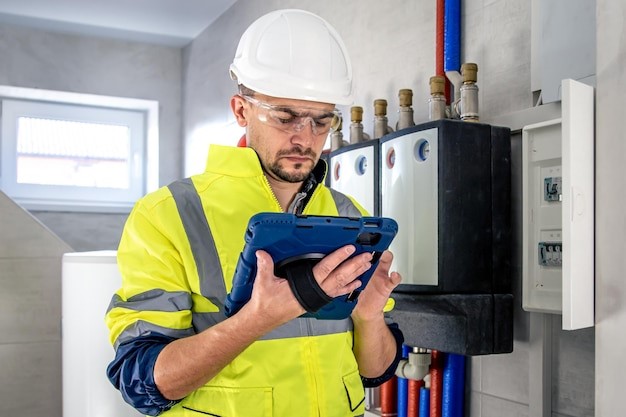
Backflow testing must be conducted by a certified backflow tester. These professionals are trained and licensed to:
- Inspect backflow prevention assemblies
- Conduct pressure and performance tests
- Submit official test reports to the relevant water authority
Property owners should not attempt to test devices themselves, as testing requires specialist equipment and certification.
How Often Should You Schedule Backflow Testing?
Standard Recommendation: Once Per Year
For most properties, the answer is straightforward. Backflow testing should be scheduled once every 12 months.
Annual testing ensures:
- Compliance with local regulations
- Continued protection of the public water supply
- Early identification of mechanical faults
- Reduced risk of emergency repairs
Even if your device passed last year’s inspection, it still requires testing this year. Wear and tear, mineral build up, and environmental conditions can affect performance over time.
Situations That May Require More Frequent Testing
While annual testing is standard, certain circumstances may require more frequent checks.
1. After Repairs or Replacement
If your backflow device has undergone repairs, it must be retested to confirm it meets performance standards. Information about repair services can be found on the backflow repairs and replacements page.
Any component replacement or adjustment requires verification through certified testing.
2. After Installation of a New Device
Newly installed backflow prevention assemblies must be tested immediately after installation before being placed into service.
Initial testing confirms the device was installed correctly and operates as intended.
3. Following a Failed Test
If a device fails inspection, it must be repaired or replaced and then retested. In some cases, additional follow up testing may be required depending on the severity of the failure.
4. High Risk Facilities
Properties considered high hazard sites may face stricter oversight. These can include:
- Chemical plants
- Medical facilities
- Industrial manufacturing sites
- Car washes
Water authorities may require closer monitoring depending on the level of contamination risk.
Why Annual Backflow Testing Is Essential
Protecting Public Health
Backflow incidents can introduce harmful substances into drinking water, including:
- Fertilisers and pesticides
- Cleaning chemicals
- Human waste
- Industrial fluids
Even a single malfunctioning device can pose risks to neighbouring properties and the wider community.
Legal Compliance
Water authorities enforce backflow testing regulations strictly. Staying compliant avoids administrative complications and protects your property from potential penalties.
Preventing Costly Damage
Early detection of faults through routine backflow testing helps prevent:
- Major plumbing failures
- Emergency repairs
- Unexpected water shut offs
- Property damage
Annual testing is generally more cost effective than emergency intervention.
How the Backflow Testing Process Works
Understanding what happens during testing can help property owners prepare.
Step 1: Device Inspection
The tester visually inspects the backflow assembly for:
- Visible leaks
- Corrosion
- Damaged components
- Accessibility issues
Step 2: Performance Testing
Using calibrated testing equipment, the certified tester measures pressure levels within the device to ensure internal valves and check mechanisms function properly.
Step 3: Documentation and Reporting
Once testing is complete, the technician submits the required documentation to the local water authority. Property owners should keep a copy for their records.
If repairs are needed, they will be identified in the report.
What Types of Properties Require Backflow Testing?
Backflow prevention assemblies are commonly required in:
Residential Properties
- Homes with irrigation systems
- Properties with swimming pools
- Homes using well water in conjunction with municipal supply
Commercial Properties
- Restaurants
- Office buildings
- Apartment complexes
- Retail shops
Industrial Sites
- Factories
- Warehouses
- Processing plants
Even small businesses may require backflow testing if they have irrigation systems or specialised plumbing setups.
Signs Your Backflow Device May Have a Problem
Although annual testing is required regardless of visible issues, certain warning signs should prompt immediate inspection:
- Water discolouration
- Unusual odours in tap water
- Reduced water pressure
- Visible leaking from the device
- Constant dripping or discharge
If you notice any of these issues, it is advisable to arrange testing without delay.
How to Prepare for Backflow Testing
To ensure a smooth inspection:
- Clear debris and vegetation around the device
- Ensure the device is accessible
- Inform tenants if water supply may be briefly interrupted
- Check previous testing records
What Happens If You Miss the Deadline?
Missing your scheduled backflow testing can lead to formal notices from the water authority. Continued non compliance may result in:
- Additional fees
- Escalating enforcement actions
- Temporary water service interruption
Scheduling early each year helps avoid last minute issues.
Cost Considerations for Backflow Testing
Costs for backflow testing vary depending on:
- Type of backflow assembly
- Accessibility
- Number of devices
- Whether repairs are required
While price is an important consideration, choosing a certified tester is essential for compliance and accurate reporting.
When Should You Schedule Your Annual Test?
It is generally advisable to:
- Schedule testing at least a few weeks before your due date
- Avoid peak irrigation season when demand is high
- Keep consistent annual scheduling to simplify compliance
Some property owners prefer to schedule testing during cooler months when landscaping demands are lower.
Backflow Testing and Environmental Responsibility
Climate places significant demand on water resources. Preventing contamination supports:
- Safe drinking water
- Environmental conservation
- Responsible water management
Routine backflow testing contributes to broader public health and environmental goals.
How to Arrange Backflow Testing
Property owners seeking more information or to arrange a test can use the contact page. Ensuring timely communication with certified professionals simplifies compliance and protects your property’s water supply.
Final Thoughts
For most property owners, the answer to how often you should schedule backflow testing is clear: once every year. Annual testing protects public health, ensures legal compliance and reduces the risk of costly plumbing failures.
Frequently Asked Questions
How often is backflow testing required?
In most cases, backflow testing is required once every year. Annual testing is mandated by local water authorities to ensure devices are functioning correctly.
Can I test my own backflow device?
No. Testing must be performed by a certified backflow tester who is authorised to submit official reports to the water authority.
What happens if my device fails the test?
If your backflow device fails, it must be repaired or replaced. After repairs, it must be retested to confirm compliance before documentation is submitted.
Do residential properties need backflow testing?
Yes, if the property has an irrigation system, swimming pool, or other cross connection risk. Not all single family homes require testing, but many do.
Is backflow testing expensive?
Costs vary depending on the type of device and whether repairs are needed. Routine annual testing is generally more affordable than emergency repairs or fines.
How long does a backflow test take?
Most standard tests take between 20 and 40 minutes, depending on the type and condition of the assembly.