Clean drinking water depends on properly functioning plumbing systems and protective devices. One of the most important components in protecting potable water is the backflow preventer. When this device fails or stops functioning correctly, contaminated water can flow back into the clean water supply. This is why routine backflow testing is essential for residential, commercial, and irrigation systems.
Mr. Backflow provides specialized services related to installation, testing, and repair of backflow prevention devices in North San Diego. Property owners often overlook the condition of their backflow preventer until a problem appears. Through their website, homeowners and businesses can learn about services such as backflow testing, installation, repairs, and replacements that help ensure plumbing systems remain compliant with local regulations and safe for everyday use.
This guide explains the five most common signs that indicate your backflow preventer may require immediate inspection or backflow testing. Recognizing these early warning signs can help prevent water contamination, plumbing damage, and potential compliance issues with local water authorities.
Understanding Backflow and Why Testing Matters
Backflow occurs when water flows in the opposite direction within a plumbing system. Instead of clean water moving from the municipal supply into a building, contaminated water may enter the potable supply due to pressure changes.
Two common causes of backflow include:
Backpressure
Backpressure occurs when pressure inside a property’s plumbing system becomes higher than the municipal water pressure. This can push contaminated water back into the public supply.
Backsiphonage
Backsiphonage happens when a sudden drop in municipal water pressure pulls water from a property’s plumbing system back into the supply line.
Backflow preventers are designed to stop these situations. However, these mechanical devices can wear out over time. Routine inspections and professional backflow testing help confirm the device is working properly and meeting safety standards. Property owners who require testing services can learn more about the process through the backflow testing services in North San Diego page.
1. Visible Leaks Around the Backflow Preventer
One of the most noticeable signs that your backflow preventer may need immediate backflow testing is visible leakage around the device.
Common areas where leaks appear
Leaks can occur in several locations, including:
- Valve connections
- Relief valve openings
- Shutoff valves
- Test cocks
While occasional dripping during pressure changes may occur, continuous leaking often signals a mechanical issue inside the device.
Why leaks are a concern
Backflow preventers contain internal components such as springs, rubber seals, and check valves. Over time, these parts may wear down or become misaligned. When this happens, the device may fail to maintain proper pressure separation between contaminated and potable water.
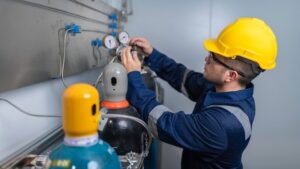
A certified technician performing backflow testing can determine whether the device still meets required performance standards.
If the device has damaged internal components, professional services such as backflow repair and replacement services may be required to restore safe operation.
2. Unusual Water Pressure Changes
Unexpected changes in water pressure can also indicate potential backflow preventer issues.
Signs of pressure problems
You may notice:
- Lower than normal water pressure
- Fluctuating pressure when using fixtures
- Pressure drops when irrigation systems are running
Although pressure issues may have several causes, a malfunctioning backflow preventer is one possible source.
How testing helps diagnose the issue
A certified technician performing backflow testing measures pressure levels across the device to confirm that internal check valves are functioning correctly.
If the pressure imbalance originates from the backflow preventer itself, adjustments or repairs may be necessary to restore proper operation.
In some cases, installing a new device may be required. Property owners can learn more about installation procedures through backflow installation services in North San Diego.
3. Discoloredor Unusual Water
Changes in water color or clarity may indicate contamination entering the system.
Warning signs in water quality
Watch for the following signs:
- Brown or rusty colored water
- Cloudy appearance
- Unusual taste or odor
While these symptoms may also result from aging pipes or sediment buildup, they can sometimes occur when a backflow preventer fails.
Why this requires immediate testing
If contaminated water enters the potable supply due to backflow, it can pose health risks to building occupants.
Immediate backflow testing helps confirm whether the device is properly preventing reverse flow and protecting the water system.
If contamination is suspected, property owners should seek professional evaluation as soon as possible.
4. Failed Annual Inspection or Compliance Notice
Many municipalities require annual backflow testing for certain properties, particularly those with irrigation systems, fire sprinkler systems, or commercial plumbing setups.
Why annual testing is required
Local water authorities often mandate routine testing to ensure backflow prevention devices are functioning correctly. This helps protect the entire community’s water supply.
If a device fails its inspection, property owners may receive a notice requiring repair or retesting.
What happens after a failed test
A failed test may indicate problems such as:
- Worn seals
- Faulty check valves
- Internal debris buildup
These issues usually require maintenance or replacement before the device can pass inspection.
Property owners who need assistance scheduling testing or submitting results to local authorities can contact professionals through the Mr. Backflow contact page.
5. Aging Backflow Prevention Devices
Backflow preventers are mechanical devices that naturally wear out over time.
Typical lifespan of a backflow preventer
Most backflow prevention assemblies last between:
- 5 to 15 years depending on usage
- Environmental conditions
- Water quality
- Maintenance history
Older devices may still function but often require more frequent inspections.
Why older devices need testing
As components age, seals may crack, springs may weaken, and internal valves may stop sealing properly. These issues increase the risk of backflow events.
Routine backflow testing helps identify these problems before they lead to contamination or system failure.
If an older device no longer meets performance standards, replacement may be the most effective long term solution.
How Regular Backflow Testing Protects Your Water Supply
Routine backflow testing provides several important benefits for property owners and communities.
Prevents water contamination
Testing ensures the backflow preventer is blocking contaminated water from entering the potable supply.
Maintains regulatory compliance
Many local water authorities require proof of annual backflow testing to maintain compliance with public health regulations.
Detects problems early
Routine testing helps identify mechanical issues before they cause major plumbing problems or water safety concerns.
Protects plumbing infrastructure
Properly functioning backflow preventers help maintain stable pressure levels and prevent system damage.
When to Schedule Backflow Testing
Backflow testing is typically recommended in the following situations:
- Annual regulatory inspections
- After plumbing system repairs
- Following pressure issues or leaks
- When installing new irrigation or fire protection systems
- If contamination is suspected
Property owners should work with certified professionals who are trained to inspect and test backflow prevention devices according to local standards.