
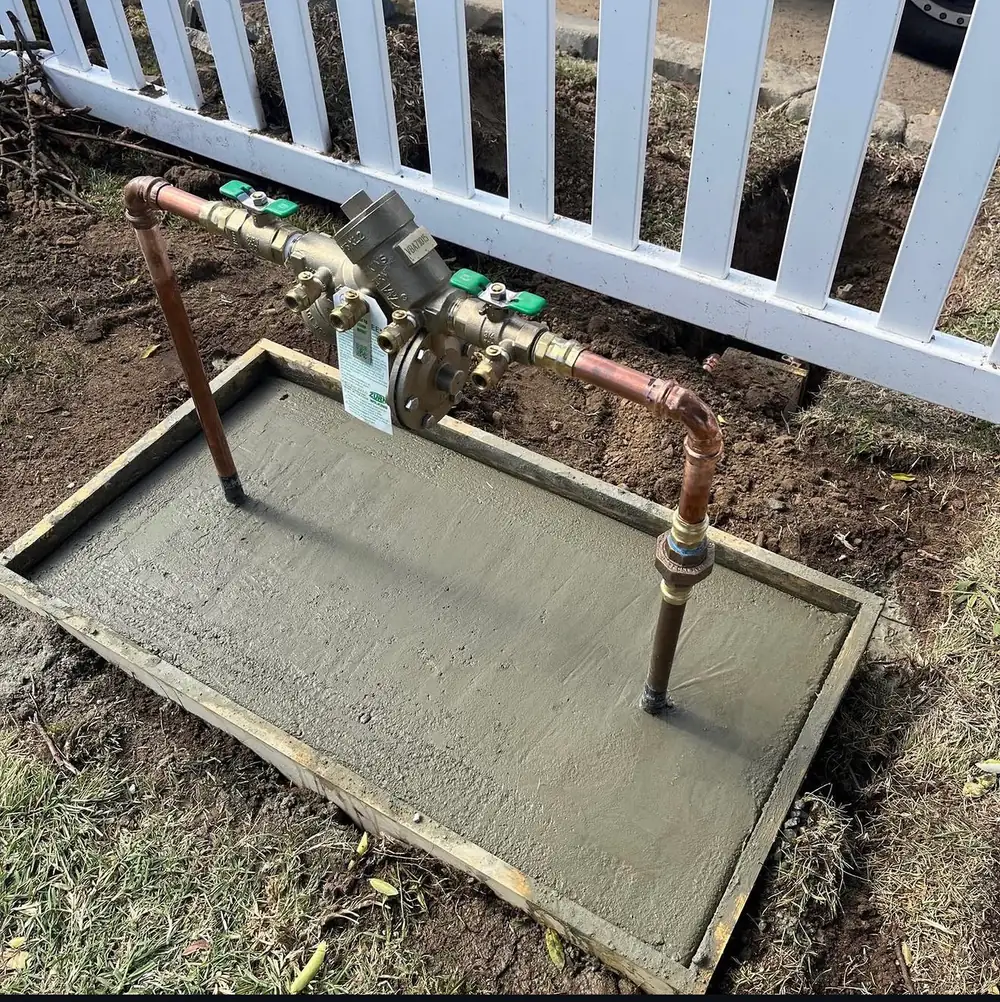
Backflow Installation in San Diego: What You Need to Know 

Mrbackflow

Backflow prevention is a key part of maintaining safe and reliable water systems. Without proper safeguards, contaminated water can flow backward into clean water lines, posing risks to health and infrastructure. Mr. Backflow offering Backflow Installation services help property owners comply with regulations and maintain system safety. Their specialized solutions, such as Backflow Installation North San Diego and support services like Backflow Testing North San Diego, are designed to address both installation and long-term maintenance needs. 

Understanding how Backflow Installation works and why it is required in San Diego can help property owners make informed decisions and stay compliant with local regulations. 

What Is Backflow and Why Is It Important? 

Backflow refers to the reversal of water flow within a plumbing system. This reversal can occur due to pressure imbalances, allowing contaminants to enter the potable water supply. In urban areas like San Diego, where water systems are interconnected, even a single issue can affect multiple properties. 

Backflow prevention is essential because it protects drinking water from pollutants such as chemicals, bacteria, and debris. Installing a backflow prevention device ensures that water flows in one direction only, maintaining system integrity. 

Common Causes of Backflow 

Backflow typically occurs due to changes in pressure within the system. Some of the most common causes include: 

  • Sudden drops in municipal water pressure 
  • Cross-connections between clean and contaminated water sources 
  • Backpressure from equipment or industrial systems 
  • Faulty plumbing fixtures or outdated systems 

Backflow Installation Requirements in San Diego 

San Diego has strict regulations regarding Backflow Installation to protect public health. These rules apply to both residential and commercial properties depending on their water usage and system design. 

Property owners are often required to install backflow prevention devices if their systems present a potential contamination risk. Compliance ensures uninterrupted water service and avoids penalties. 

Who Needs Backflow Installation? 

Not all properties require backflow devices, but many do based on usage and infrastructure. 

You may need installation if your property includes: 

  • Irrigation or sprinkler systems 
  • Fire protection systems 
  • Commercial or industrial plumbing setups 
  • Swimming pools or decorative water features 

Key Compliance Requirements 

To meet local regulations, installations must follow specific guidelines: 

  • Devices must be approved by local authorities 
  • Installation must be performed by certified professionals 
  • Annual testing and reporting are mandatory 
  • Proper documentation must be maintained 

Types of Backflow Prevention Devices 

Choosing the correct device is an important step in the Backflow Installation process. Each type is designed for specific risk levels and applications. 

Backflow devices vary in complexity and function, so selecting the right one depends on your system’s requirements. 

Common Types of Devices 

Here are the most used backflow prevention devices: 

  • Reduced Pressure Zone (RPZ) Assembly 
  • Provides the highest level of protection 
  • Used in high-risk environments 
  • Double Check Valve Assembly (DCVA) 
  • Suitable for low to moderate risk applications 
  • Common in residential systems 
  • Pressure Vacuum Breaker (PVB) 
  • Ideal for irrigation systems 
  • Prevents back-siphonage 

Step-by-Step Backflow Installation Process 

The installation process involves several stages to ensure compliance and functionality.

Understanding each step helps property owners prepare and avoid delays. 

Installation Steps 

The process typically includes: 

  • Site assessment to evaluate system requirements 
  • Selection of the appropriate device 
  • Obtaining necessary permits 
  • Professional installation of the device 
  • Testing and certification after installation 

What Happens During Installation? 

During installation, technicians ensure that: 

  • The device is placed in an accessible location 
  • Connections are secure and leak-free 
  • The system meets local plumbing codes 
  • The device operates correctly under pressure 

Cost of Backflow Installation in San Diego 

The cost of Backflow Installation depends on several factors. While residential installations are generally more affordable, commercial systems may require more complex setups. 

Understanding cost factors can help you plan your budget effectively. 

Factors That Affect Cost 

Several elements influence installation pricing: 

  • Type of backflow prevention device 
  • Size and complexity of the plumbing system 
  • Labor and permit fees 
  • Accessibility of the installation area 

 General Cost Considerations 

Although prices vary, you can expect: 

  • Lower costs for simple residential installations 
  • Higher costs for commercial or high-risk systems 
  • Additional fees for permits and inspections 

Backflow Testing and Maintenance 

Installing a device is only part of the process. Regular testing ensures that it continues to function properly and meets regulatory standards. 

Routine maintenance is essential for long-term reliability and compliance. 

 Importance of Regular Testing 

Backflow devices must be tested annually to: 

  • Confirm proper operation 
  • Detect leaks or malfunctions 
  • Ensure compliance with local regulations 

Signs Your Device Needs Attention 

You may need maintenance if you notice: 

  • Reduced water pressure 
  • Visible leaks around the device 
  • Unusual noises in the system 
  • Failed inspection reports 

Professional services like Backflow Testing North San Diego can help maintain system performance. 

Benefits of Professional Backflow Installation 

Working with qualified professionals ensures that the installation is done correctly and safely. Proper installation reduces risks and ensures long-term efficiency. 

Professional expertise is especially important when dealing with complex plumbing systems. 

Key Benefits 

Hiring professionals offers several advantages: 

  • Compliance with local regulations 
  • Accurate device selection 
  • Proper installation techniques 
  • Reduced risk of system failure 

 Common Mistakes Avoided 

Professional installation helps prevent issues such as: 

  • Incorrect device placement 
  • Poor connections leading to leaks 
  • Failure to meet code requirements 
  • Incomplete testing and certification 

Choosing the Right Backflow Installation Service 

Selecting a reliable service provider is essential for a successful installation. The right choice ensures compliance, safety, and efficiency. 

Taking time to evaluate providers can help you avoid future complications. 

What to Look For 

When choosing a service provider, consider: 

  • Certification and licensing 
  • Experience with local regulations 
  • Clear pricing and service details 
  • Availability of testing and maintenance services 

Questions to Ask 

Before hiring a provider, ask: 

  • What type of device is suitable for my property? 
  • Are permits included in the service? 
  • Do you offer ongoing maintenance and testing? 

For more details or service inquiries, visit the contact page

Environmental and Health Impact 

Backflow prevention is not just about compliance. It plays a vital role in protecting public health and the environment. 

By preventing contamination, these systems contribute to safer communities. 

Key Benefits for Health and Safety 

Backflow prevention helps: 

  • Protect drinking water from pollutants 
  • Prevent exposure to harmful chemicals 
  • Maintain overall water quality 

Environmental Advantages 

Proper installation also supports environmental safety by: 

  • Reducing contamination risks 
  • Protecting natural water sources 
  • Ensuring responsible water usage 

Conclusion 

Backflow prevention is an essential component of any modern plumbing system in San Diego. Understanding the requirements, installation process, and maintenance needs helps property owners stay compliant and protect their water supply. 

By investing in proper Backflow Installation and ongoing maintenance, you can ensure long-term safety, efficiency, and regulatory compliance. 

FAQ Section 

What is backflow installation?

Backflow installation involves placing a device in a plumbing system to prevent contaminated water from flowing back into the clean water supply. 

Yes, many properties are required to install backflow prevention devices based on their system type and usage. 

Most devices must be tested annually to ensure proper operation and compliance. 

Installation typically takes a few hours, but complex systems may require more time. 

In most cases, installation must be performed by certified professionals to meet regulatory requirements.