
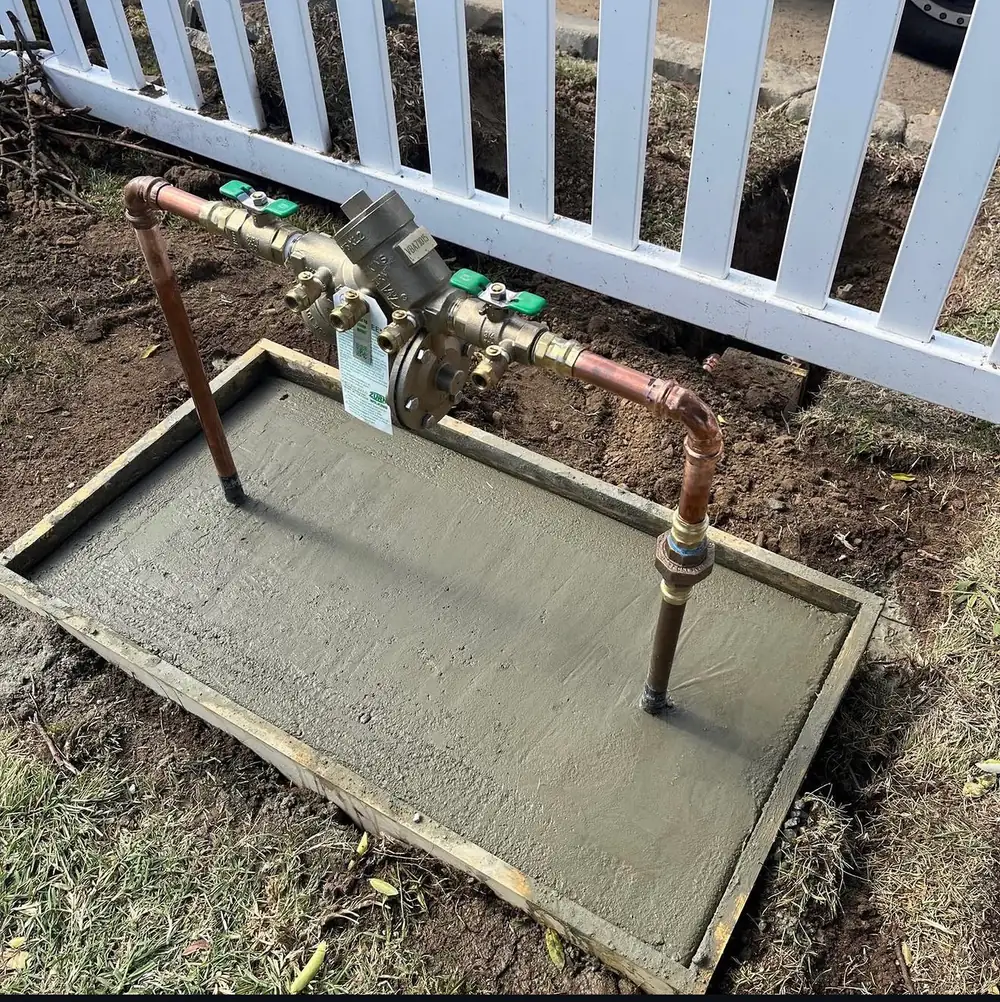
How to Know If Your Backflow Preventer Needs Repairs 

Backflow Preventer

Maintaining a safe and clean water supply is essential for both residential and commercial properties. A backflow preventer plays a critical role in ensuring that contaminated water does not flow backward into your clean water system. Mr. Backflow specialize in inspection, repair, and installation services to help property owners maintain compliant and efficient plumbing systems. Their services such as backflow repairs and replacements and backflow installations ensures systems function properly and meet local regulations. 

Understanding when your backflow preventer needs repairs can prevent serious health risks, costly damage, and compliance issues. This guide explores the signs, causes, and solutions to help you make informed decisions. 

What Is a Backflow Preventer and Why It Matters 

A backflow preventer is a device installed in your plumbing system to ensure water flows in only one direction. It prevents contaminated water from reversing into the potable water supply, which can occur due to pressure changes. 

Common Causes of Backflow 

  • Sudden drops in water pressure 
  • Cross-connections in plumbing systems 
  • Back siphonage due to water main breaks 
  • Back pressure from industrial equipment 

Without a properly functioning backflow preventer, harmful substances such as chemicals, bacteria, and debris can enter your drinking water. 

Key Signs Your Backflow Preventer Needs Repairs 

Recognizing early warning signs can help you address issues before they escalate. 

1. Discolored or Foul-Smelling Water 

If your water appears brown, yellow, or cloudy, or has an unusual odor, it may indicate contamination. This is often one of the first signs that your backflow preventer is not functioning correctly. 

 2. Reduced Water Pressure 

A noticeable drop in water pressure throughout your property can signal internal blockages or valve malfunctions within the device. 

3. Visible Leaks Around the Device 

Water pooling around your backflow preventer or dripping from valves suggests worn seals or damaged components that require immediate attention. 

4. Unusual Noises 

Whistling, banging, or vibrating sounds coming from the unit may indicate pressure irregularities or failing internal parts. 

5. Failed Backflow Testing 

Routine inspections are essential. If your device fails a test, repairs are necessary to bring it back into compliance.

6. Age of the Device 

Backflow preventers typically last between 5 to 15 years depending on usage and maintenance. Older systems are more prone to wear and failure. 

Common Reasons Backflow Preventers Fail 

Understanding the root causes can help you prevent recurring issues. 

Wear and Tear 

Over time, internal components such as seals, springs, and valves degrade due to constant use. 

Debris Build-Up 

Sediment and debris in the water supply can accumulate inside the device, obstructing proper operation. 

Corrosion 

Exposure to water and environmental conditions can cause metal components to corrode, weakening the structure. 

Improper Installation 

Incorrect installation can lead to inefficiencies and premature failure. Professional installation is essential for long-term performance. 

When to Repair vs Replace a Backflow Preventer 

Not all issues require full replacement. Knowing when to repair versus replace can save time and cost. 

Repair Is Suitable When 

  • Minor leaks or seal damage 
  • Small internal component failures 
  • Device is relatively new 

Replacement Is Necessary When 

  • The unit repeatedly fails tests 
  • Extensive corrosion is present 
  • Repair costs exceed replacement value 
  • The system is outdated or non-compliant 

Professional evaluation can help determine the best course of action. For expert assistance, you can reach out through the contact page. 

Importance of Regular Maintenance and Testing 

Routine maintenance is the most effective way to extend the lifespan of your backflow preventer and ensure safety. 

Annual Testing 

Many local regulations require yearly testing to ensure compliance and functionality. 

Preventive Inspections 

Regular inspections can identify early signs of wear before they become major problems. 

Cleaning and Flushing 

Removing debris and sediment buildup helps maintain optimal performance. 

Risks of Ignoring Backflow Preventer Issues 

Failing to address problems can lead to serious consequences. 

Health Hazards 

Contaminated water can carry harmful bacteria, chemicals, and pollutants that pose health risks. 

Legal and Compliance Issues 

Non-compliance with local regulations can result in fines or service interruptions. 

Property Damage 

Leaks and pressure issues can damage plumbing systems and surrounding structures. 

Tips to Extend the Life of Your Backflow Preventer 

Taking proactive steps can reduce the need for repairs. 

Schedule Regular Testing 

Stay compliant and ensure functionality with annual inspections. 

Install a Strainer 

A strainer can prevent debris from entering the system and causing damage. 

Protect Against Freezing 

In colder climates, insulation helps prevent cracks and failures. 

Use Professional Services 

Qualified technicians ensure proper installation, testing, and repairs. 

How Professionals Diagnose Backflow Preventer Problems 

Experts use specialized tools and techniques to assess system performance. 

Pressure Testing 

Measures the pressure differential across the device to identify irregularities. 

Visual Inspection 

Checks for leaks, corrosion, and physical damage. 

Component Testing 

Evaluates valves, seals, and springs for proper operation. 

Choosing the Right Backflow Service Provider 

Selecting a qualified provider ensures reliable service and compliance. 

Look for Certification 

Ensure technicians are certified to perform backflow testing and repairs. 

Experience Matters 

Choose providers with a proven track record in handling various systems. 

Comprehensive Services 

A provider offering installation, repair, and testing ensures continuity and expertise. 

Conclusion 

A properly functioning backflow preventer is essential for maintaining a safe and reliable water supply. Recognizing the warning signs of failure, understanding the causes, and scheduling regular maintenance can help prevent costly repairs and health risks. Whether it is minor repairs or full replacement, timely action ensures compliance and long-term system efficiency. 

Frequently Asked Questions (FAQ) 

How often should a backflow preventer be tested? 

Most local regulations require annual testing. However, high-use systems may benefit from more frequent inspections. 

Backflow preventer repairs should be handled by certified professionals to ensure safety and compliance. 

If a device fails, it must be repaired or replaced and retested to meet regulatory standards. 

Typically, 5 to 15 years depending on usage, water quality, and maintenance. 

In many regions, testing is required by law to protect public water systems from contamination.