10 Common Backflow Problems That Require Professional Repair
Backflow issues are a serious concern for both residential and commercial plumbing systems. When backflow occurs, contaminated water can enter the clean water supply, creating potential health risks and system damage. These problems are often complex and require timely attention from qualified professionals offering Backflow repair services.
Mr. Backflow offer specialized solutions, including testing, installation, and repair, ensuring that water systems remain safe and compliant. Understanding the most common backflow problems can help property owners identify warning signs early and take appropriate action before minor issues escalate into costly repairs.
What Is Backflow and Why It Matters
Backflow refers to the unwanted reversal of water flow in a plumbing system. Instead of clean water flowing into a property, contaminated water may flow backward into the main supply. This typically happens due to pressure imbalances within the system.
There are two primary causes of backflow:
- Backpressure, where downstream pressure becomes greater than the supply pressure
- Back siphonage, where a drop in supply pressure creates a vacuum effect
Because these situations can occur unexpectedly, backflow prevention devices are installed to protect water systems. However, when these devices fail or are not maintained properly, the risk of contamination increases significantly.
1. Faulty Backflow Preventer Valve
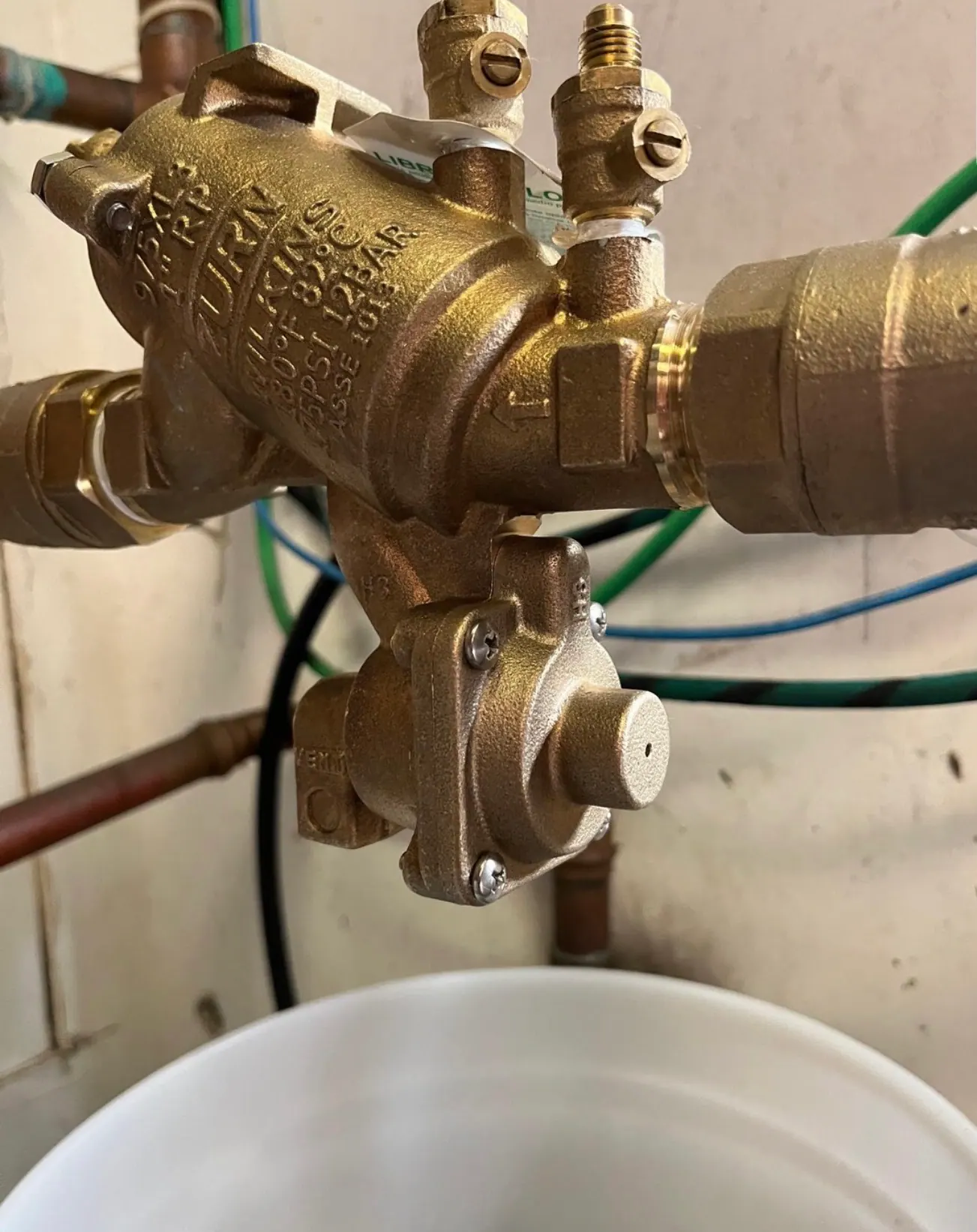
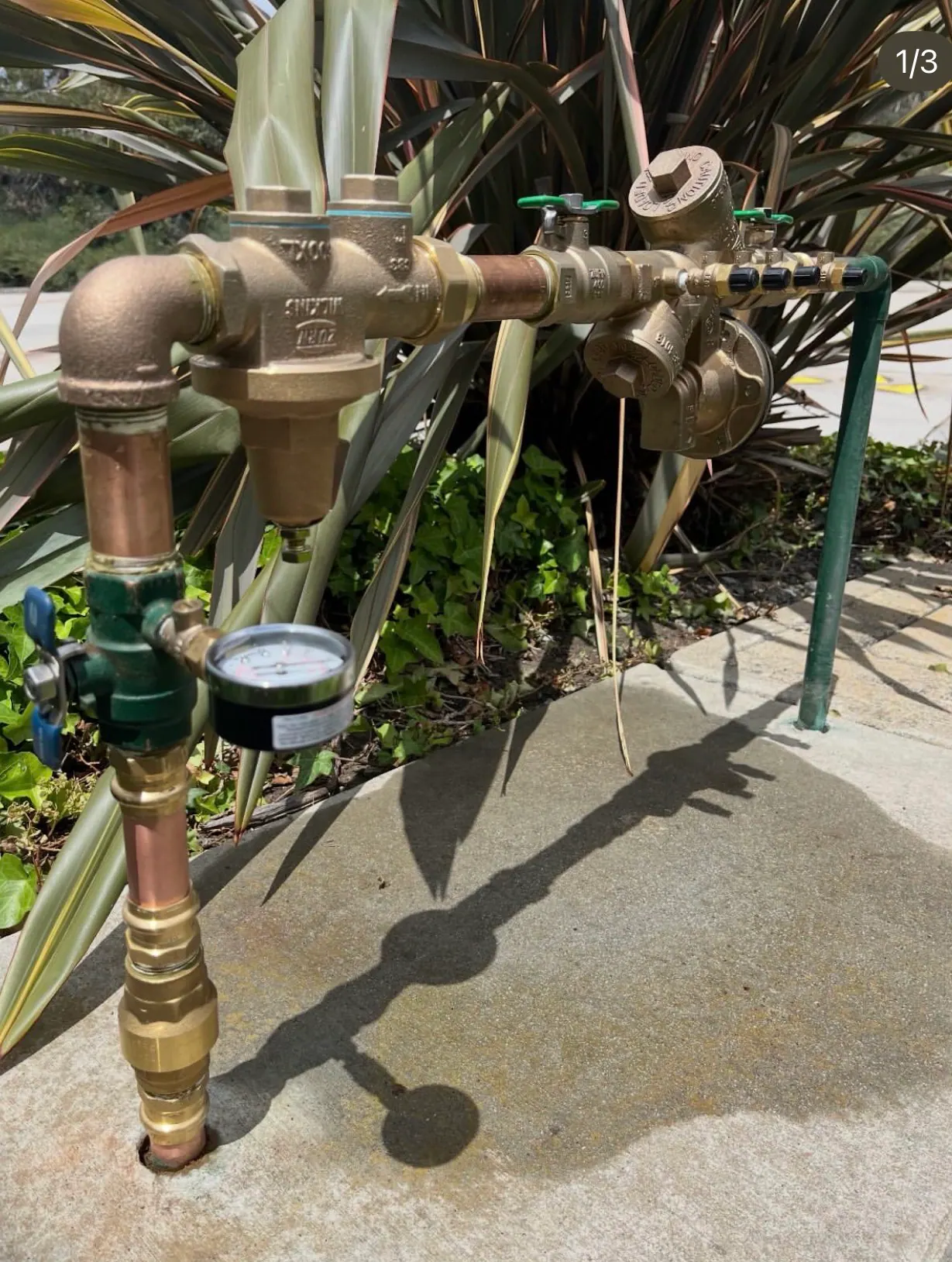
A faulty valve is one of the most common issues that require professional repair. Over time, internal components such as seals, springs, and discs wear out due to constant use and exposure to water pressure.
This problem often develops gradually, making it difficult to detect without proper inspection. If left unresolved, it can compromise the effectiveness of the entire backflow prevention system.
Common signs include:
- Water leaking from the valve assembly
- Reduced or inconsistent water pressure
- Unusual noises such as humming or vibrating
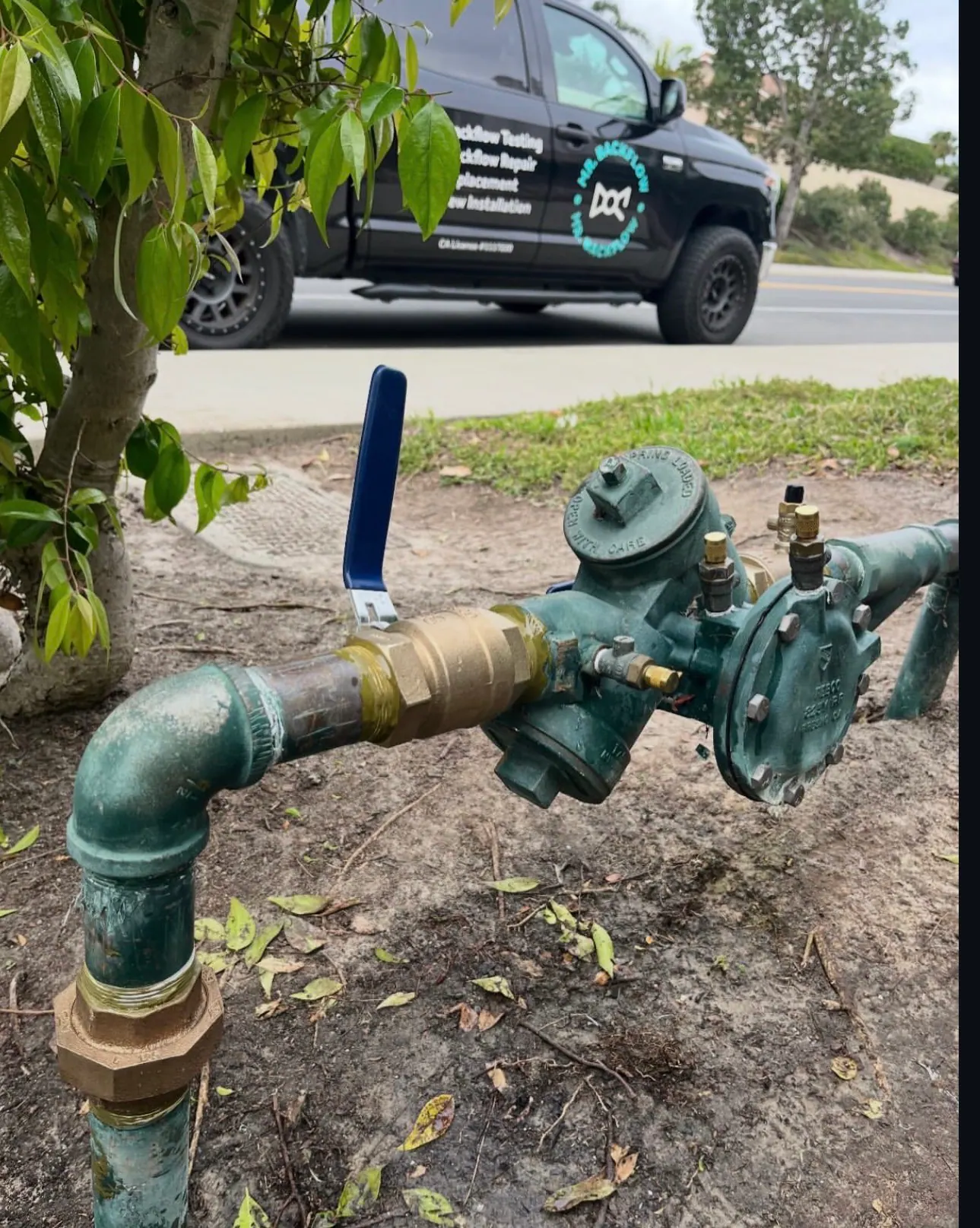
Professional services like backflow repairs and replacements can diagnose and fix valve issues, ensuring the system functions correctly.
2. Backpressure Issues
Backpressure occurs when the pressure inside a system exceeds the incoming water supply pressure. This imbalance forces water to reverse direction, increasing the risk of contamination.
This issue is common in systems that use pumps, boilers, or elevated tanks. It can also occur in irrigation or industrial setups where pressure levels fluctuate frequently.
Typical causes of backpressure include:
- Mechanical pumps increasing downstream pressure
- Elevated storage tanks
- Heating systems that expand water
Resolving backpressure problems requires a detailed understanding of system dynamics, which is why professional Backflow repair services are essential in such cases.
3. Back Siphonage Problems
Back siphonage happens when there is a sudden drop in water supply pressure. This creates a vacuum effect that pulls contaminated water into the clean water system.
This type of backflow can occur without warning and often during emergencies or high-demand situations.
Common scenarios include:
- Breaks in the municipal water main
- Firefighting activities using hydrants
- Heavy water usage in nearby areas
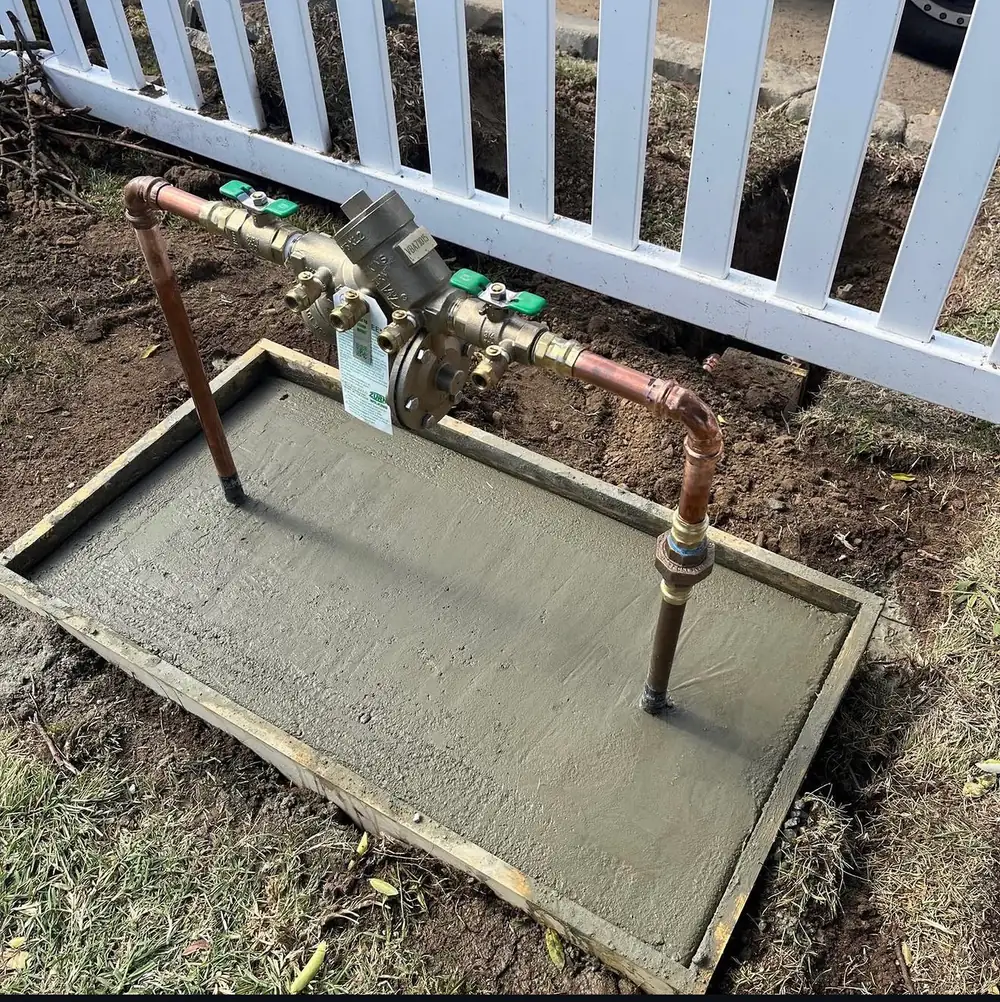
Preventing back siphonage involves proper device installation and regular maintenance. A detailed guide like the step-by-step backflow preventer installation process highlights the importance of correct setup.
4. Leaking Backflow Assembly
Leaks in the backflow assembly are often an early indication of internal damage or wear. While a small leak may seem minor, it can quickly lead to more significant issues if ignored.
Leaks can affect both the performance of the device and the surrounding plumbing system.
Signs to watch for:
- Water pooling around the device
- Continuous dripping from valves
- Visible corrosion or rust
Timely repair helps prevent further damage and ensures the system continues to operate safely.
5. Failed Annual Backflow Testing
Routine testing is essential to ensure that backflow prevention devices are functioning properly. Many local regulations require annual testing to maintain compliance.
Skipping these tests can allow hidden issues to go unnoticed, increasing the risk of contamination.
Risks of missed testing include:
- Undetected device failure
- Regulatory non-compliance
- Increased repair costs over time
Professional services such as backflow testing in North San Diegohelp identify and resolve issues before they become serious.
6. Debris Build-Up Inside the Device
Over time, dirt, sediment, and mineral deposits can accumulate inside backflow preventers. This is particularly common in areas with hard water or aging infrastructure.
Debris can interfere with the internal components of the device, reducing its efficiency and reliability.
Effects of debris accumulation:
- Blocked or restricted valves
- Reduced water flow
- Increased wear on internal parts
Regular maintenance and cleaning by professionals can help prevent these problems and extend the lifespan of the device.
7. Improper Installation
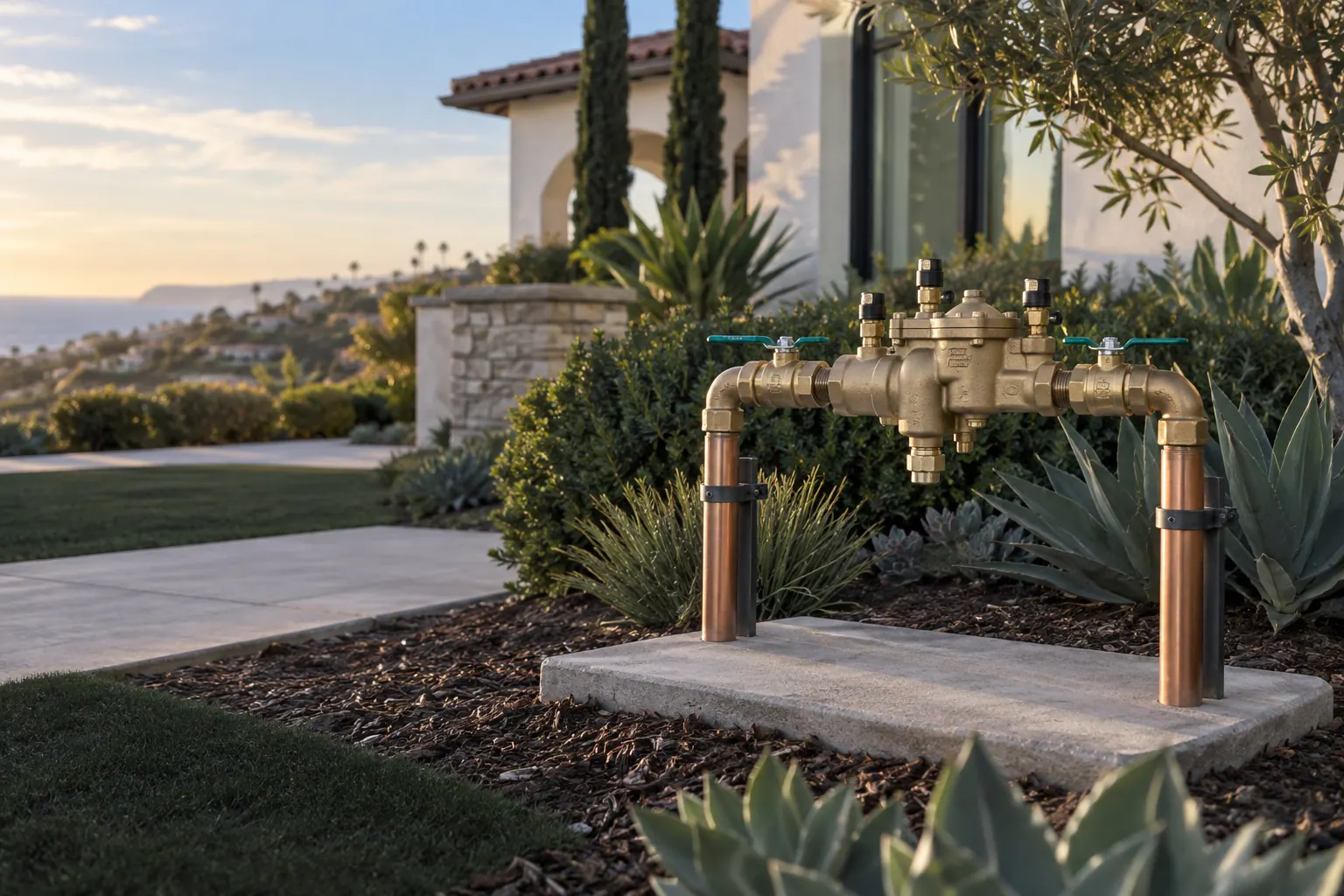
Improper installation is a major cause of recurring backflow issues. Even high-quality devices can fail if they are not installed correctly.
Installation errors often result in poor performance and frequent breakdowns.
Common installation mistakes include:
- Incorrect positioning of the device
- Missing or improperly fitted components
- Inadequate sealing or connections
Backflow installations in North San Diego ensures that systems are installed according to proper standards.
8. Aging or Worn-Out Components
Backflow prevention devices are not designed to last indefinitely. Over time, components degrade due to constant use and exposure to water and environmental conditions.
Older systems are more likely to experience failures and require frequent repairs.
Signs of aging components:
- Frequent need for maintenance
- Declining performance
- Visible signs of wear and tear
In many cases, replacing the device is more practical than continuing with repeated repairs.
9. Freezing and Weather Damage
Environmental conditions can have a significant impact on backflow devices. In colder climates, freezing temperatures can cause pipes and valves to crack or fail.
Weather-related damage can compromise the entire system if not addressed promptly.
Common weather-related issues:
- Frozen or burst pipes
- Cracked valve assemblies
- Reduced system efficiency
Seasonal inspections and protective measures can help minimize the impact of harsh weather conditions.
10. High Water Pressure Fluctuations
Frequent changes in water pressure can strain backflow prevention devices and lead to premature failure. Pressure fluctuations are often caused by external factors beyond the property owner’s control.
Maintaining stable pressure levels is essential for system reliability.
Causes of pressure fluctuations:
- Changes in municipal water supply
- Malfunctioning pumps
- Blockages within the plumbing system
Professional assessment can help identify the root cause and implement appropriate solutions.
When to Call Professional Backflow Repair Services
Backflow problems are not always visible, and attempting to fix them without proper knowledge can lead to further complications. Professional technicians have the tools and expertise to diagnose and repair issues accurately.
You should seek professional help if you notice:
- Sudden changes in water taste or color
- Persistent leaks around the device
- Failed inspection or testing results
- Unusual pressure changes or noises
Reaching out through Mr. Backflow contact pageensures that issues are handled efficiently and in compliance with safety standards.
Preventing Backflow Problems
Preventive maintenance is the most effective way to avoid major backflow issues. Regular inspections and timely repairs can extend the life of your system and maintain water quality.
Preventive measures include:
- Scheduling annual backflow testing
- Installing high-quality prevention devices
- Keeping the system clean and free of debris
- Monitoring water pressure levels
Taking these steps reduces the likelihood of unexpected failures and ensures a safe and reliable water supply.
Conclusion
Backflow problems can lead to serious consequences if not addressed promptly. From faulty valves to pressure imbalances and environmental damage, these issues require careful attention and professional expertise.
Understanding the common causes of backflow helps property owners stay informed and proactive. With the support of experienced Backflow repair services, it is possible to maintain a safe, efficient, and compliant plumbing system.
FAQ Section
What is the most common cause of backflow problems?
The most common causes include faulty valves, pressure imbalances, and lack of regular maintenance. These issues can develop over time and require professional inspection.
How often should backflow devices be tested?
Backflow devices should typically be tested once a year to ensure proper functioning and compliance with local regulations.
Can backflow problems affect drinking water?
Yes, backflow can allow contaminated water to enter the clean water supply, posing health risks if not addressed quickly.
Is it necessary to hire professionals for backflow repair?
Yes, backflow systems are complex and require specialized tools and knowledge. Professional Backflow repair services ensure accurate diagnosis and safe repairs. .
What are the signs that a backflow preventer needs repair?
Common signs include leaks, unusual noises, reduced water pressure, and failed testing results.
Can backflow issues be prevented completely?
While not all issues can be prevented, regular maintenance, proper installation, and timely repairs can significantly reduce the risk.