
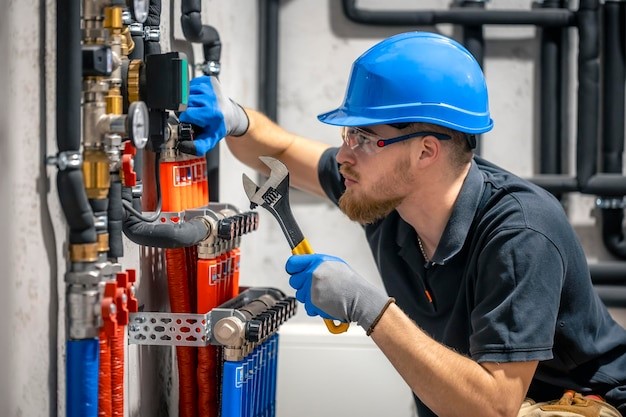
Clean drinking water is essential for residential, commercial, and municipal infrastructure. Plumbing systems are designed to distribute potable water safely, but contamination risks can arise when water flows in the opposite direction. This situation, known as backflow, can allow chemicals, bacteria, and other pollutants to enter the drinking water supply.
Mr. Backflow provides information and services related to backflow prevention, testing, repair, and regulatory compliance. It offers resources that help property owners understand how backflow systems function and why these devices are necessary in many plumbing installations. The platform also outlines services such as backflow device installation, system testing, and maintenance to support water safety standards.
Proper backflow device installation plays a critical role in protecting potable water systems. When installed correctly, a backflow preventer ensures that water flows only in one direction and prevents contaminated water from entering the main supply line.
This article explains the step-by-step installation process, the components involved, regulatory considerations, and maintenance practices that help ensure the system operates correctly over time.
Understanding Backflow and Why Prevention Matters
Backflow occurs when water reverses direction in a plumbing system. Instead of flowing from the municipal supply into a building, contaminated water may move backward into the clean water line.
Two main conditions usually cause backflow.
Backpressure
Backpressure happens when pressure inside a plumbing system becomes greater than the pressure in the municipal water supply. This situation may occur in systems that use pumps, boilers, or elevated tanks.
Backsiphonage
Backsiphonage occurs when there is a sudden drop in water pressure within the supply line. The pressure change creates a vacuum effect that can draw contaminated water into the potable water system.
Backflow prevention devices are designed to stop this reverse flow and protect drinking water from contamination.
What Is a Backflow Preventer?
A backflow preventer is a mechanical plumbing device that allows water to flow in only one direction. If reverse pressure occurs, the device automatically closes to prevent contaminated water from entering the clean water system.
Backflow preventers are commonly installed in irrigation systems, commercial plumbing networks, fire protection lines, and industrial water connections.
There are several types of backflow assemblies used depending on the level of hazard present.
Common Types of Backflow Preventers
Double Check Valve Assembly (DCVA)
A Double Check Valve Assembly includes two independent check valves that prevent reverse water flow. This type of device is typically used in low hazard situations where contamination risks are minimal.
Reduced Pressure Zone Assembly (RPZ)
An RPZ assembly is designed for high hazard environments. It contains two check valves and a pressure relief valve that releases water if pressure imbalances occur, providing a higher level of protection.
Pressure Vacuum Breaker (PVB)
A Pressure Vacuum Breaker is commonly used in irrigation systems. It prevents back siphonage by allowing air to enter the system if pressure drops suddenly.
Choosing the correct device is an important part of the backflow device installation process.
Step-by-Step Backflow Device Installation Process
Installing a backflow preventer requires careful planning, proper equipment selection, and compliance with plumbing codes. The following steps outline the general installation procedure.
Step 1: Assess the Plumbing System
The first step in the installation process is evaluating the existing plumbing system. A technician determines where the backflow preventer should be installed and what type of device is required.
Factors considered during this stage include:
- Water pressure levels
- Potential contamination hazards
- Type of plumbing connection
- Local plumbing regulations
This assessment ensures that the correct device is selected and installed in the appropriate location.
Step 2: Select the Appropriate Backflow Preventer
Different properties require different types of backflow assemblies. For example:
- Irrigation systems may require a Pressure Vacuum Breaker
- Commercial properties may need a Reduced Pressure Zone device
- Low hazard systems may use a Double Check Valve Assembly
Choosing the correct assembly is essential to ensure that the backflow device installation meets local safety standards.
Step 3: Shut Off the Water Supply
Before installation begins, the main water supply must be turned off. This prevents water flow while the plumbing line is modified to accommodate the backflow preventer.
The installation area should also be drained to remove any remaining water inside the pipes.
Step 4: Prepare the Installation Site
The installation location must be prepared before the device is placed. This may involve cutting the existing pipe and cleaning the pipe ends.
Important considerations during this stage include:
- Ensuring enough clearance around the device
- Confirming that the device will be installed in the correct orientation
- Providing space for testing and maintenance
Proper preparation helps ensure the device operates correctly once installed.
Step 5: Install the Backflow Preventer Assembly
The backflow preventer is then connected to the plumbing line using appropriate fittings and connectors.
Key installation practices include:
- Aligning the device with the water flow direction
- Securing the assembly firmly to prevent leaks
- Ensuring the device is level and stable
Incorrect installation can affect the performance of the backflow prevention system, which is why precision during this step is essential.
For more details on professional installation procedures, property owners can review the information on Backflow Installations North San Diego.
Step 6: Restore Water Supply and Check for Leaks
Once the device is installed, the water supply is gradually restored. The plumbing system is then inspected for leaks or pressure issues.
The technician ensures that the device is functioning properly and that water flows smoothly through the system.
Step 7: Conduct Initial Backflow Testing
After installation, the system must be tested to confirm that the device is working correctly. Backflow testing verifies that the valves operate as intended and that the assembly prevents reverse flow.
Many municipalities require regular testing to maintain compliance. More information about testing requirements can be found on the Backflow Testing North San Diego page.
Importance of Proper Backflow Device Maintenance
Installing a backflow preventer is only the first step in maintaining water safety. Over time, components may wear out or accumulate debris, which can affect performance.
Regular maintenance helps ensure that the system continues to function correctly.
Common maintenance tasks include:
- Periodic testing
- Cleaning internal components
- Replacing worn valves
- Inspecting seals and springs
If issues are detected, repair or replacement may be necessary. Information about these services is available on the Backflow Repairs and Replacements North San Diego page.
Compliance With Plumbing Regulations
Many municipalities require backflow preventers in systems that could potentially contaminate the public water supply. These regulations help protect community health and ensure that potable water remains safe.
Compliance requirements often include:
- Approved device installation
- Annual backflow testing
- Proper documentation and reporting
Following local regulations is an important part of responsible plumbing system management.
When to Consider Backflow Device Installation
Several situations may require installing a backflow preventer.
Irrigation Systems
Sprinkler systems often connect directly to the potable water supply. Fertilizers or pesticides can enter the water system if backflow occurs.
Commercial Buildings
Restaurants, manufacturing facilities, and medical centers frequently require backflow prevention devices due to higher contamination risks.
Fire Protection Systems
Fire sprinkler systems may also require backflow preventers to protect the main water supply.
Understanding when backflow device installation is necessary helps property owners maintain safe plumbing systems.
How Professionals Ensure Safe Installation
Although some plumbing work can be performed independently, installing backflow preventers often requires specialized knowledge. Certified professionals understand local regulations, testing requirements, and proper installation techniques.
Professional installers ensure that:
- The correct device type is used
- The system complies with local codes
- Testing and certification requirements are met
Property owners who have questions about installation procedures or system requirements can request additional information through the Contact Page.
Conclusion
Backflow prevention is an essential part of protecting drinking water systems. Without proper safeguards, contaminated water can enter potable supply lines and pose serious health risks.
The backflow device installation process involves careful planning, proper device selection, and precise installation techniques. Each step, from system assessment to testing and maintenance, contributes to the reliability and safety of the plumbing system.
Understanding how backflow preventers work and how they are installed helps property owners maintain compliant and safe water systems. Regular inspections, testing, and timely repairs ensure that the device continues to function effectively for years to come.