
Backflow Installation in Carlsbad: Step-by-Step Professional Process Explained
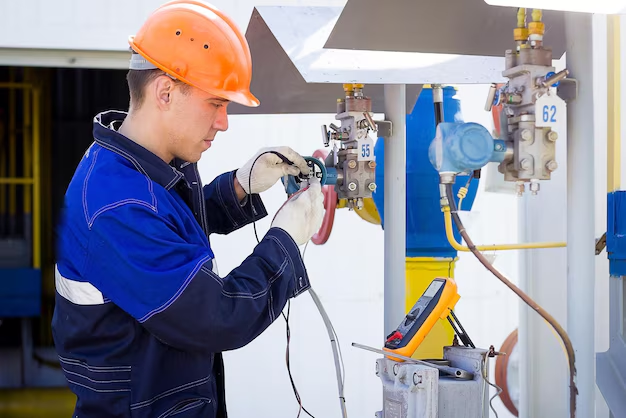
Backflow prevention plays an important role in protecting drinking water systems from contamination. Whether for residential, commercial, or industrial properties, a properly installed backflow prevention assembly helps maintain water quality and supports compliance with local regulations. Understanding how professional backflow installation works can help property owners make informed decisions about their water safety systems.
Mr. Backflow provides services related to Backflow Testing, Backflow Repairs & Replacements, and Backflow Installations in Carlsbad and surrounding areas. Proper installation and maintenance of a Backflow Preventer help ensure that water systems operate safely and efficiently. This guide explains the professional installation process from start to finish.
Understanding the Importance of Backflow Prevention
Backflow occurs when water flows in the opposite direction of its intended path. This reversal can allow contaminants, chemicals, or pollutants to enter the potable water supply.
A backflow prevention device serves as a safeguard between the public water supply and potential contamination sources. Property owners may require a backflow prevention assembly for irrigation systems, fire sprinkler systems, commercial facilities, restaurants, medical facilities, and other applications where cross-connections exist.
Some common causes of backflow include:
Sudden drops in water pressure
Water main breaks
Fire hydrant usage
Pump failures
High demand on municipal water systems
Improper plumbing connections
Installing a properly selected backflow prevention device helps reduce these risks and supports compliance with local water authority requirements.
What Is a Backflow Preventer?
A Backflow Preventer is a mechanical device designed to stop contaminated water from flowing backward into the clean water supply.
Different types of backflow prevention assemblies are used depending on the level of hazard and application.
Common backflow preventer types include:
Double Check Valve Assembly (DCVA)
Reduced Pressure Principal Assembly (RPZ)
Pressure Vacuum Breaker (PVB)
Spill Resistant Vacuum Breaker (SVB)
Atmospheric Vacuum Breaker (AVB)
A professional evaluation helps determine which device is suitable for a specific property and plumbing system.
Step 1: Site Assessment and System Evaluation
The first stage of professional Backflow Installations involves a detailed site assessment.
During this phase, technicians evaluate:
Existing plumbing infrastructure
Water supply connections
Potential cross-connection hazards
Property layout
Irrigation systems
Local code requirements
The assessment helps determine the appropriate backflow prevention assembly for the property’s specific needs.
A thorough evaluation is important because installing the wrong device can result in compliance issues, operational problems, or inadequate protection against contamination.
Factors Considered During the Assessment
Professionals typically review several key factors:
Water pressure levels
Pipe size and material
Type of property
Hazard classification
Existing plumbing configuration
Accessibility for future testing and maintenance
These findings guide the planning and installation process.
Step 2: Selecting the Appropriate Backflow Prevention Device
After completing the site evaluation, the next step is selecting the proper backflow prevention assembly.
The chosen device depends on:
Degree of contamination risk
Type of water usage
Municipal regulations
System pressure requirements
Installation location
For example, irrigation systems often require different protection than commercial facilities handling chemicals or industrial processes.
Selecting the correct device helps ensure:
Reliable operation
Regulatory compliance
Long-term durability
Easier maintenance
Accurate testing results
Step 3: Obtaining Necessary Permits and Approvals
Many municipalities require permits before installing a backflow prevention assembly.
Professional installers typically coordinate with local authorities to ensure compliance with applicable requirements.
Permit-related activities may include:
Submitting installation plans
Scheduling inspections
Verifying code compliance
Obtaining required approvals
Coordinating with water authorities
Proper permitting helps avoid delays and ensures that installations meet local regulations.
Step 4: Preparing the Installation Area
Before installation begins, technicians prepare the designated work area.
Preparation may involve:
Locating underground utilities
Shutting off the water supply
Marking installation points
Excavating if necessary
Removing obsolete components
Careful preparation helps minimize disruptions and creates a safer work environment.
Importance of Proper Placement
Backflow prevention assemblies must be installed in accessible locations.
Proper placement supports:
Routine inspections
Annual testing requirements
Future repairs
Emergency service access
Regulatory compliance
Accessibility is an important consideration throughout the installation process.
Step 5: Installing the Backflow Preventer
The installation phase involves integrating the selected device into the property’s plumbing system.
Professional installers follow manufacturer specifications and local plumbing codes throughout the process.
The installation generally includes:
Cutting and preparing pipe sections
Installing isolation valves
Connecting the backflow assembly
Securing fittings and connections
Verifying alignment and orientation
Restoring water service
Every connection must be properly sealed and secured to prevent leaks and maintain system integrity.
Common Installation Considerations
Several technical factors influence installation quality:
Adequate clearance around the device
Proper drainage provisions
Freeze protection requirements
Pressure management
Ventilation needs
Accessibility for testing
Attention to these details contributes to reliable long-term performance.
Step 6: Initial Backflow Testing and Verification
Once the installation is complete, Backflow Testing is performed to verify proper operation.
Testing confirms that the assembly functions as intended and provides the required level of protection.
A certified tester may evaluate:
Check valve performance
Pressure differentials
Relief valve operation
Leak detection
Overall system functionality
Testing results are often documented according to local requirements.
Why Testing Matters
Testing serves several important purposes:
Confirms installation accuracy
Verifies device performance
Supports regulatory compliance
Identifies potential issues
Protects public water supplies
Without testing, there is no reliable way to confirm that the assembly is functioning correctly.
Step 7: Final Inspection and Compliance Documentation
After successful testing, a final inspection may be required.
Inspectors typically review:
Installation quality
Device placement
Code compliance
Testing documentation
Permit requirements
Upon approval, the installation process is considered complete.
Documentation often includes:
Installation records
Test reports
Compliance certificates
Maintenance recommendations
Device specifications
Keeping these records can simplify future inspections and testing requirements.
Ongoing Maintenance After Installation
A backflow prevention assembly requires periodic maintenance to remain effective.
Over time, internal components may experience wear due to:
Water pressure fluctuations
Mineral buildup
Environmental exposure
Normal operational use
Routine maintenance helps extend the life of the device and maintain compliance with local regulations.
Recommended maintenance activities include:
Annual testing
Visual inspections
Cleaning components
Checking for leaks
Replacing worn parts
Verifying pressure performance
Regular servicing can help identify issues before they become larger problems.
When Backflow Repairs or Replacements May Be Necessary
Even properly installed devices may eventually require service.
Common reasons for Backflow Repairs & Replacements include:
Failed annual tests
Internal valve wear
Corrosion
Physical damage
Age-related deterioration
Pressure-related failures
Addressing problems promptly helps maintain system reliability and water quality protection.
Signs That Service May Be Needed
Property owners should watch for:
Visible leaks
Reduced water pressure
Failed inspection reports
Unusual noises
Corrosion around fittings
Water quality concerns
Professional evaluation can determine whether repair or replacement is the most appropriate solution.
Choosing a Professional for Backflow Installation
Professional installation is important because backflow prevention assemblies are regulated devices that protect public health.
When evaluating service providers, consider:
Industry experience
Certification credentials
Knowledge of local regulations
Testing capabilities
Maintenance support
Documentation procedures
Working with qualified professionals helps ensure that installations meet applicable standards and operate as intended.
Conclusion
Backflow prevention is a critical component of water system safety. A professionally installed Backflow Preventer helps protect potable water supplies from contamination while supporting compliance with local regulations.
The installation process involves careful planning, site evaluation, device selection, permitting, installation, testing, and ongoing maintenance. Understanding these steps can help property owners better manage their water safety responsibilities.
Mr. Backflow provides services related to Backflow Testing, Backflow Repairs & Replacements, and Backflow Installations. Property owners seeking information about installation requirements, testing schedules, or maintenance recommendations can Contact us to learn more about backflow prevention systems and compliance requirements.
Frequently Asked Questions
How long does a backflow installation take?
The timeline varies depending on property conditions, permit requirements, and system complexity. Many standard installations can be completed within a day, while larger projects may require additional time.
Is backflow testing required after installation?
Yes. Backflow Testing is typically required after installation to verify proper operation and compliance with local regulations.
How often should a backflow preventer be tested?
Many municipalities require annual testing. Local requirements may vary, so property owners should check with their water authority.
What is the purpose of a backflow preventer?
A Backflow Preventer helps stop contaminated water from flowing backward into the potable water supply, protecting water quality and public health.
Can a backflow preventer be repaired?
In many cases, yes. Certified technicians can perform Backflow Repairs & Replacements depending on the condition of the device and the results of testing.
Why are professional backflow installations important?
Professional Backflow Installations help ensure code compliance, accurate device selection, proper operation, and long-term protection of the water supply.