Finding Reliable Backflow Testing: What Local Property Owners Should Know
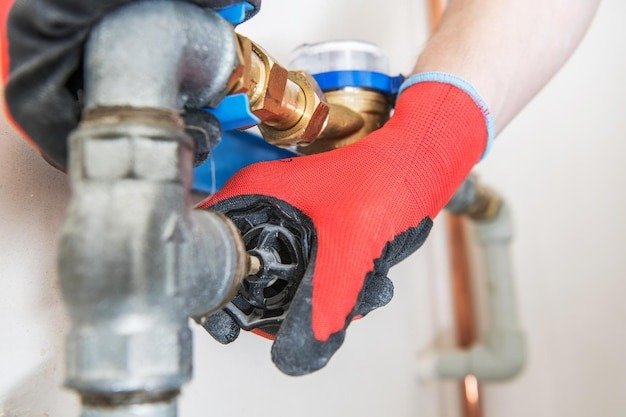
Clean drinking water is something every property owner relies on every day. However, many people are unaware that contaminated water can enter a property’s potable water system if the correct backflow prevention measures are not maintained. Regular Backflow Testing helps identify issues before they become serious problems and supports compliance with local water safety requirements.
Mr. Backflow provides professional backflow services for residential, commercial, and industrial properties. The company assists property owners with routine testing, inspections, repairs, and replacement of backflow prevention devices to help maintain safe and compliant water systems. Whether a property requires scheduled annual testing or more extensive maintenance, understanding the process can help owners make informed decisions.
Why Backflow Testing Matters for Every Property
Backflow occurs when water flows in the opposite direction through a plumbing system, allowing contaminants such as chemicals, fertilisers, bacteria, or wastewater to enter the clean water supply. This can happen because of changes in water pressure caused by water main breaks, firefighting activities, or heavy water demand.
Routine Backflow Testing confirms that a property’s backflow prevention device is operating correctly. Local authorities often require these devices to be tested annually to help protect public water supplies and ensure compliance with plumbing regulations.
Ignoring scheduled testing can increase the risk of contamination and may also result in compliance issues, particularly for commercial properties.
Understanding How Backflow Prevention Devices Work
Backflow prevention devices are installed where there is a potential cross-connection between potable water and non-potable water sources. Their purpose is to stop contaminated water from reversing direction and entering the drinking water supply.
These devices are commonly found in:
- Commercial buildings
- Apartment complexes
- Restaurants
- Medical facilities
- Schools
- Industrial properties
- Irrigation systems
- Fire sprinkler systems
Although these devices are designed for long-term performance, normal wear and tear means they require regular inspection and testing.
What Happens During Professional Backflow Testing
A certified technician performs a detailed evaluation of the backflow prevention assembly using specialised testing equipment.
The testing process generally includes:
- Examining the condition of the device
- Checking pressure levels
- Testing internal valves
- Confirming the assembly meets required performance standards
- Recording test results
- Completing any required compliance documentation
The process is usually straightforward and can often be completed without disrupting normal property operations.
Signs Your Property May Need a Backflow Inspection
Even if annual testing is not yet due, some warning signs may indicate that your system requires attention sooner.
Changes in Water Pressure
A noticeable drop in water pressure throughout the property may indicate that the backflow prevention device is not operating correctly.
Discoloured Water
Water that appears brown, cloudy, or contains unusual sediment should always be investigated promptly.
Unpleasant Taste or Odour
Changes in the smell or taste of drinking water may indicate contamination within the plumbing system.
Leaking Backflow Device
Visible leaks around the assembly may suggest worn seals, damaged valves, or other mechanical problems requiring backflow repair.
Failed Annual Test
If a device does not pass its required inspection, repairs or replacement may be necessary before compliance can be restored.
Choosing a Reliable Backflow Testing Company
Not all plumbing companies specialise in backflow prevention. Property owners should evaluate providers carefully before scheduling services.
Verify Certifications
Backflow testing requires certified technicians who understand local regulations and approved testing procedures.
Look for Comprehensive Services
A company offering testing, inspections, repairs, and backflow replacement services can provide ongoing support if problems are identified during testing.
Understand Local Compliance Requirements
Different municipalities may have varying reporting requirements. Choosing a provider familiar with local regulations helps ensure documentation is completed correctly.
Ask About Experience
Companies with extensive experience handling different property types are often better equipped to identify uncommon issues and recommend appropriate solutions.
Clear Communication
Reliable service providers explain testing results, outline any required repairs, and answer questions without using confusing technical language.
When Backflow Repair Is Necessary
A failed backflow prevention device does not always require complete replacement. In many situations, qualified technicians can restore proper operation through professional backflow repair.
Repairs may involve replacing worn internal components, seals, springs, or check valves. Once repairs are completed, the device should be tested again to confirm it meets required performance standards.
Prompt repairs help reduce the likelihood of contamination while extending the overall lifespan of the assembly.
When Backflow Replacement Services Become the Better Option
Some devices cannot be repaired economically due to age, corrosion, or extensive internal damage.
Professional backflow replacement services may be recommended when:
- The device repeatedly fails testing.
- Internal components are severely worn.
- Replacement parts are unavailable.
- The existing assembly no longer meets current regulations.
- Repair costs approach replacement costs.
Installing a new certified device helps restore reliable protection for the property’s water supply while supporting long-term compliance.
Understanding Backflow Inspection in Escondido
For property owners seeking backflow inspection Escondido services, understanding local compliance requirements is especially important. Many commercial and multi-residential properties require regular testing and documentation to satisfy municipal water authority requirements.
Scheduling inspections before compliance deadlines helps avoid unnecessary delays and allows sufficient time for repairs if problems are identified during testing.
Working with experienced technicians familiar with local regulations can simplify the inspection process while ensuring all necessary reporting requirements are completed accurately.
Residential and Commercial Backflow Testing Requirements
Although many people associate backflow prevention with commercial buildings, residential properties may also require testing depending on the plumbing system and installed equipment.
Residential Properties
Homes with irrigation systems, swimming pools, private wells, or auxiliary water systems may require backflow prevention devices.
Routine inspections help ensure these systems continue protecting household drinking water.
Commercial Properties
Businesses often have more complex plumbing systems and multiple cross-connections. Restaurants, healthcare facilities, manufacturing sites, schools, and office buildings frequently require annual certified testing.
Maintaining accurate inspection records also helps demonstrate ongoing compliance during audits or inspections.
How Often Should Backflow Testing Be Performed
Most municipalities require annual Backflow Testing, although some properties may require additional inspections depending on their specific water system.
Testing should also be scheduled after:
- Major plumbing repairs
- Device replacement
- Significant changes to the property’s plumbing system
- Failed inspections
- Extended periods of inactivity
Following recommended testing schedules helps identify developing issues before they become costly problems.
Maintaining Your Backflow Prevention Device
Routine maintenance supports reliable operation between scheduled inspections.
Property owners should periodically check for visible leaks, unusual water pressure changes, or physical damage around the device. Landscaping should not obstruct easy access for future inspections, and any signs of corrosion should be reported promptly.
Keeping maintenance records and inspection reports organised also makes future compliance easier.
Common Misconceptions About Backflow Testing
Some property owners assume that clear water automatically means their plumbing system is safe. However, contamination cannot always be seen with the naked eye.
Another misconception is that backflow devices never require maintenance. Like any mechanical component, these assemblies experience wear over time and benefit from routine testing.
Some people also believe that only large commercial buildings require inspections. In reality, many residential properties also require certified backflow prevention devices depending on their plumbing configuration.
Working With Qualified Backflow Professionals
Choosing experienced professionals helps ensure accurate testing, proper documentation, and timely repairs when necessary. Certified technicians understand current regulations, use calibrated testing equipment, and follow approved inspection procedures.
Whether your property requires routine Backflow Testing, backflow repair, backflow replacement services, or a backflow inspection Escondido, working with knowledgeable specialists supports both water safety and regulatory compliance.
If you have questions about your property’s backflow prevention requirements or need to schedule a service, contact us to learn more about available testing, inspection, repair, and replacement options.
Conclusion
Reliable Backflow Testing plays an essential role in protecting drinking water, maintaining regulatory compliance, and extending the life of backflow prevention devices. Understanding how these systems work, recognising signs of potential problems, and scheduling inspections on time can help property owners avoid unnecessary risks and costly repairs.
By working with qualified professionals such as Mr. Backflow, property owners can ensure their backflow prevention systems continue operating effectively while supporting the safety of both their property and the wider community.
Frequently Asked Questions
What is Backflow Testing?
Backflow Testing is the process of evaluating a backflow prevention device to ensure it prevents contaminated water from flowing back into the clean drinking water supply. Certified technicians use specialised equipment to verify the device is functioning correctly.
How often should backflow devices be tested?
Most local water authorities require backflow prevention devices to be tested annually. Additional testing may be necessary after repairs, replacements, or significant plumbing modifications.
What happens if a backflow device fails testing?
If a device fails inspection, a technician may recommend backflow repair or, if the damage is extensive, backflow replacement services. The device is typically retested after repairs or replacement to confirm compliance.
Why would I need a backflow inspection in Escondido?
A backflow inspection Escondido helps property owners meet local compliance requirements while ensuring their water supply remains protected from potential contamination.
Can residential properties require backflow testing?
Yes. Homes with irrigation systems, swimming pools, auxiliary water supplies, or other cross-connections may require certified backflow prevention devices and regular testing.
How do I schedule a backflow service?
If your property requires testing, inspection, repair, or replacement, you can contact us to arrange an appointment and discuss your property’s specific backflow prevention requirements.