How Certified Backflow Testers in Carlsbad Ensure Water Safety & Compliance
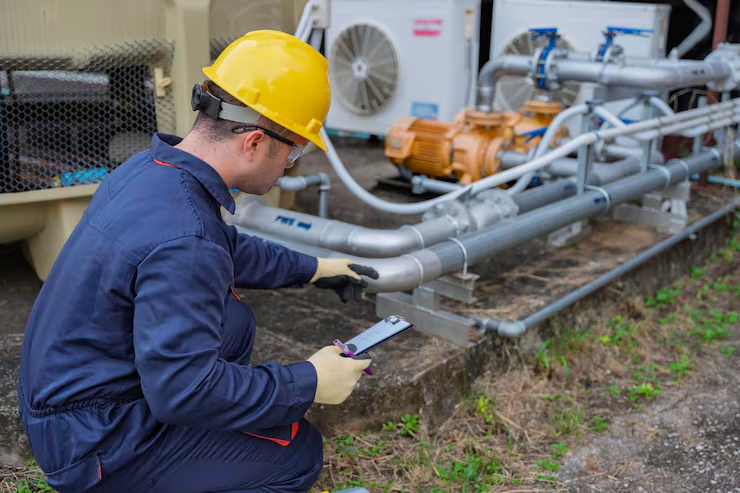
Maintaining a safe and reliable water supply is a critical responsibility for property owners, businesses, and municipalities. One of the most important aspects of water system protection is preventing contamination caused by backflow. This is where certified backflow testers play an essential role.
Mr. Backflow provides professional services focused on protecting potable water systems through inspections, testing, maintenance, and compliance support. With expertise in Backflow Testing, Backflow Repairs & Replacements, and Backflow Installations, the company helps residential, commercial, and industrial properties maintain safe water systems and meet local regulations. Proper testing and maintenance of every Backflow Preventer helps reduce contamination risks and supports long-term system reliability.
In Carlsbad, certified backflow testers help property owners ensure that their water systems comply with local requirements while protecting public health. Understanding their role can help property owners appreciate the importance of routine testing and maintenance.
What Is Backflow and Why Is It a Concern?
Backflow occurs when water flows in the opposite direction from its intended path. Instead of clean water moving from the public water supply into a property, contaminated water can enter the potable water system.
This reversal can happen due to changes in pressure within the plumbing system.
Common Causes of Backflow
Several factors can contribute to backflow incidents:
Water main breaks
Fire hydrant use causing pressure changes
Sudden increases in water demand
Pump failures
Cross-connections between potable and non-potable water systems
Improper plumbing installations
Irrigation system pressure fluctuations
When backflow occurs, contaminants may enter drinking water supplies, creating health and safety concerns.
Potential Contaminants Introduced Through Backflow
The contaminants that can enter a water system vary depending on the property’s activities and connected equipment.
Examples include:
Fertilizers from irrigation systems
Pesticides and herbicides
Industrial chemicals
Cleaning solutions
Boiler treatment chemicals
Wastewater contaminants
Sediment and debris
Preventing these contaminants from entering public water systems is the primary purpose of backflow prevention programs.
What Is a Backflow Preventer?
A Backflow Preventer is a specialised plumbing device designed to stop contaminated water from flowing backward into the clean water supply.
These devices are installed at strategic points within plumbing systems to create a physical barrier against reverse water flow.
Types of Backflow Prevention Devices
Common backflow prevention devices include:
Reduced Pressure Zone (RPZ) assemblies
Double Check Valve Assemblies (DCVA)
Pressure Vacuum Breakers (PVB)
Spill Resistant Vacuum Breakers (SVB)
Atmospheric Vacuum Breakers (AVB)
Each device is designed for specific applications and levels of hazard protection.
The selection of an appropriate device depends on factors such as property type, water usage, and local regulations.
Why Backflow Testing Is Required in Carlsbad
Backflow prevention devices are mechanical components that can wear out over time. Even properly installed devices may develop issues that affect performance.
Routine Backflow Testing helps verify that these devices continue functioning correctly.
Key Reasons Testing Is Required
Property owners benefit from regular testing because it:
Confirms proper device operation
Identifies worn or damaged components
Supports compliance with local water regulations
Protects public health
Helps avoid costly water contamination incidents
Documents system performance
Many local water authorities require annual testing of certain backflow prevention assemblies.
Failure to comply may result in penalties or additional inspections.
How Certified Backflow Testers Perform Inspections
Certified backflow testers undergo specialized training and certification to evaluate backflow prevention assemblies accurately.
Their inspections involve a systematic process designed to identify performance issues and compliance concerns.
Step 1: Visual Inspection
The testing process begins with a visual examination.
Testers typically check for:
Physical damage
Corrosion
Leaks
Accessibility issues
Improper installation
Missing components
This initial inspection helps identify obvious concerns before functional testing begins.
Step 2: Performance Testing
Certified testers use calibrated testing equipment to evaluate the operation of the backflow assembly.
Testing may include:
Pressure differential measurements
Valve performance checks
Relief valve operation testing
Shutoff valve assessments
The goal is to verify that the device can effectively prevent reverse water flow under various conditions.
Step 3: Documentation and Reporting
After testing is complete, results are documented.
Reports generally include:
Device information
Test measurements
Pass or fail status
Recommended corrective actions
Compliance documentation
Accurate reporting helps property owners maintain records and demonstrate regulatory compliance.
The Importance of Backflow Repairs & Replacements
During testing, issues may be discovered that require corrective action.
In some cases, minor repairs restore proper function. In others, full replacement may be necessary.
Common Problems Found During Testing
Certified testers frequently encounter:
Worn rubber seals
Damaged check valves
Corroded components
Leaking relief valves
Debris buildup
Pressure irregularities
Addressing these issues promptly helps maintain system integrity.
When Repairs Are Appropriate
Backflow Repairs & Replacements may begin with repairing individual components when:
Damage is limited
Replacement parts are available
The assembly remains structurally sound
Repairs can restore compliance
Timely repairs often extend the service life of a backflow prevention assembly.
When Replacement Is Necessary
Complete replacement may be recommended when:
Devices have extensive corrosion
Multiple components have failed
The assembly no longer meets current standards
Repair costs exceed replacement value
Parts are no longer available
Replacing outdated equipment can improve reliability and compliance.
Why Professional Backflow Installations Matter
Proper Backflow Installations are essential for effective contamination prevention.
Even high-quality devices may fail to perform correctly if installation requirements are not met.
Key Installation Considerations
Professional installation helps ensure:
Correct device selection
Proper orientation
Adequate clearance for testing
Compliance with plumbing codes
Protection from environmental damage
Accessibility for maintenance
Every installation must meet specific guidelines established by local authorities.
Applications Requiring Backflow Prevention
Backflow prevention devices are commonly installed on:
Commercial properties
Industrial facilities
Apartment complexes
Irrigation systems
Fire sprinkler systems
Medical facilities
Restaurants
Educational institutions
Each setting presents unique risks that require appropriate protection measures.
How Certified Testers Support Regulatory Compliance
Compliance is a major aspect of backflow prevention programs.
Certified testers help property owners understand and meet applicable requirements.
Compliance Support Includes
Annual testing verification
Regulatory documentation
Inspection reports
Device identification
Compliance record maintenance
Recommendations for corrective actions
Maintaining compliance protects both property owners and public water systems.
Benefits of Staying Compliant
Property owners who maintain compliance may experience:
Reduced liability risks
Fewer regulatory issues
Better protection of water quality
Improved system reliability
Easier inspection processes
Compliance is not simply a regulatory requirement. It is an important part of protecting community health.
Signs Your Backflow Preventer May Need Attention
Property owners should remain aware of warning signs that could indicate device issues.
Common Indicators
Watch for:
Visible leaks around the assembly
Unusual water pressure changes
Discolored water
Rust or corrosion
Water pooling near the device
Failed inspection reports
Excessive noise from the assembly
If any of these issues occur, professional evaluation may be necessary.
Routine inspections often identify problems before they become significant.
Choosing a Certified Backflow Testing Provider
Selecting a qualified professional helps ensure accurate testing and compliance.
Factors to Consider
When evaluating a provider, consider:
Certification credentials
Experience with local regulations
Knowledge of various device types
Testing equipment calibration practices
Documentation procedures
Repair and installation capabilities
Working with experienced professionals can simplify the compliance process and support long-term system performance.
The Long-Term Value of Routine Backflow Testing
Routine Backflow Testing is an important investment in water safety and regulatory compliance.
Regular testing helps identify issues early, reduce contamination risks, and ensure that backflow prevention assemblies continue functioning as intended.
For property owners in Carlsbad, certified testers provide essential expertise that supports safe drinking water systems and helps maintain compliance with local requirements. Combined with proper Backflow Repairs & Replacements and professional Backflow Installations, routine testing contributes to the long-term protection of public health and water quality.
For additional information about backflow prevention services or compliance requirements, contact us to learn more about maintaining your property’s water safety systems.
Frequently Asked Questions
How often should backflow testing be performed?
Most backflow prevention assemblies require annual testing. However, testing frequency may vary depending on local regulations and the type of device installed.
What does a certified backflow tester do?
A certified tester inspects and evaluates a Backflow Preventer to ensure it functions properly and prevents contaminated water from entering the potable water supply.
Why is backflow testing important?
Backflow Testing helps identify malfunctioning devices, supports regulatory compliance, and protects drinking water from contamination.
Can a backflow preventer be repaired?
Yes. Many devices can undergo Backflow Repairs & Replacements depending on the condition of individual components and the overall assembly.
What properties typically require backflow prevention devices?
Commercial buildings, industrial facilities, irrigation systems, apartment complexes, restaurants, medical facilities, and fire protection systems commonly require backflow prevention assemblies.
When is a new backflow preventer installation needed?
New Backflow Installations may be required during new construction, system upgrades, property renovations, or when existing devices no longer meet current standards.